Thursday, April 30, 2026

Passive Income You Can Start Today (No Experience): 10 Real Ways That Actually Work

Passive Income You Can Start Today (No Experience): 10 Real Ways That Actually Work

Let me guess what you’re thinking…

Do I need money to make money?

What if I pick the wrong thing?

And is “passive income” even real—or just internet hype?

I’ve been there.

Scrolling, overthinking, doing nothing.


Passive Income You Can Start Today (No Experience): The Truth

Here’s the honest version:

Passive income isn’t “no work.”

It’s work now, paid later.

Sometimes much later.

But once it clicks, it stacks.


1. Digital Products (The Lazy Genius Move)

This is where things get interesting.

You create something once.

Sell it over and over.

No inventory. No shipping. No headache.

Examples:

  • Simple PDFs (guides, checklists)
  • Notion templates
  • Budget planners
  • Resume templates

Why it works:

  • People pay for convenience
  • You don’t need to be an expert—just one step ahead

How I’d start:

  • Pick a problem you already solved
  • Turn it into a simple guide
  • Sell it on platforms like Gumroad or Etsy

Lesson:
πŸ‘‰ Done is better than perfect.


2. Affiliate Marketing (Sell Without Owning Anything)

You promote products.

You earn a cut.

That’s it.

No customer support. No product creation.

Where people mess up:

They try to sell everything.

Instead:

  • Pick ONE niche
  • Share real experiences
  • Build trust first

Ways to do it:

  • TikTok videos
  • Blog posts
  • YouTube reviews

Example:

I shared a simple tool I used.

One post.

It still pays me months later.

Lesson:
πŸ‘‰ Attention is the new currency.


3. Print-on-Demand (Zero Inventory Hustle)

You design.

A company prints and ships it.

You keep the margin.

Products:

  • T-shirts
  • Hoodies
  • Mugs
  • Phone cases

What works now:

  • Niche humor
  • Relatable quotes
  • Clean designs

Mistake to avoid:

Trying to be creative instead of relatable.

Lesson:
πŸ‘‰ Simple sells.


4. YouTube (Slow Start, Big Payoff)

I avoided this for too long.

Big mistake.

You don’t need to show your face.

You don’t need fancy gear.

What you need:

  • Consistency
  • Basic editing
  • Patience

Content ideas:

  • Tutorials
  • Story videos
  • “Top 5” lists

You make money from:

  • Ads
  • Affiliate links
  • Sponsorships

Reality check:

First 10 videos? Probably nothing.

Then one hits.

Everything changes.

Lesson:
πŸ‘‰ Volume creates luck.


5. Selling Stock Photos (Your Phone Is Enough)

This one shocked me.

People buy photos.

Every day.

And not just fancy ones.

What sells:

  • Work setups
  • Coffee shots
  • Lifestyle moments
  • Minimal backgrounds

Upload once.

Get paid forever.

Platforms:

  • Shutterstock
  • Adobe Stock

Lesson:
πŸ‘‰ Ordinary moments make money.


6. Blogging (Yes, It Still Works)

Everyone says blogging is dead.

It’s not.

It just changed.

What works now:

  • Answering real questions
  • SEO-focused content
  • Helpful, not fluffy posts

You earn from:

  • Ads
  • Affiliate links
  • Digital products

My mistake:

Writing what I wanted instead of what people searched.

Lesson:
πŸ‘‰ Traffic = money.


7. Renting Out Stuff You Already Own

This is the easiest one.

No skills needed.

Look around your room.

What’s sitting unused?

Ideas:

  • Camera gear
  • Tools
  • Parking space
  • Spare room

List it.

Let it earn.

Lesson:
πŸ‘‰ Assets beat effort.


8. Micro SaaS or Simple Tools (Don’t Overthink This)

Sounds complicated. It’s not.

You can build:

  • A simple calculator
  • A niche tool
  • A tiny app

Or hire someone cheap to do it.

Charge a small monthly fee.

Example ideas:

  • Budget tracker
  • Social media scheduler
  • Resume builder

Lesson:
πŸ‘‰ Solve one small problem well.


9. Selling Online Courses (Without Being an Expert)

You don’t need to know everything.

You just need to know something.

What works:

  • Clear, simple lessons
  • Beginner-friendly content
  • Specific outcomes

Example:

“I made $100 with X—here’s how.”

That’s enough.

Lesson:
πŸ‘‰ Clarity beats complexity.


10. Dividend Investing (The Classic Passive Play)

This is the long game.

You invest in companies.

They pay you regularly.

No work after setup.

But yeah—this needs money upfront.

Still worth mentioning.

Lesson:
πŸ‘‰ Money can work for you.


What Actually Works (My Simple Filter)

Every passive income idea should pass this test:

  • Can I start today?
  • Can I do it with what I have?
  • Can it scale over time?

If yes—go.

If not—skip.


Mistakes I’d Avoid If I Started Again

Let me save you time.

  • ❌ Waiting to feel ready
  • ❌ Trying 5 things at once
  • ❌ Quitting too early
  • ❌ Overcomplicating simple ideas

Big truth:
πŸ‘‰ Most people fail because they stop.


If I Had to Start From Zero Today

Here’s exactly what I’d do:

Step 1: Pick ONE method (digital product or affiliate)

Step 2: Launch something in 7 days

Step 3: Improve it based on feedback

Step 4: Repeat

That’s it.


The Reality Nobody Tells You

Passive income is front-loaded work.

You grind early.

Then it pays later.

Sometimes much later.

But when it hits?

It stacks.


Quick Recap (Save This)

  • Passive income = work now, paid later
  • Start simple, not perfect
  • Focus on ONE thing
  • Consistency wins
  • Most people quit too early

Not Financial Advice

This is just my personal experience, not financial advice.

Let me guess what you’re thinking…

Do I need money to make money?

What if I pick the wrong thing?

And is “passive income” even real—or just internet hype?

I’ve been there.

Scrolling, overthinking, doing nothing.


Passive Income You Can Start Today (No Experience): The Truth

Here’s the honest version:

Passive income isn’t “no work.”

It’s work now, paid later.

Sometimes much later.

But once it clicks, it stacks.


1. Digital Products (The Lazy Genius Move)

This is where things get interesting.

You create something once.

Sell it over and over.

No inventory. No shipping. No headache.

Examples:

  • Simple PDFs (guides, checklists)
  • Notion templates
  • Budget planners
  • Resume templates

Why it works:

  • People pay for convenience
  • You don’t need to be an expert—just one step ahead

How I’d start:

  • Pick a problem you already solved
  • Turn it into a simple guide
  • Sell it on platforms like Gumroad or Etsy

Lesson:
πŸ‘‰ Done is better than perfect.


2. Affiliate Marketing (Sell Without Owning Anything)

You promote products.

You earn a cut.

That’s it.

No customer support. No product creation.

Where people mess up:

They try to sell everything.

Instead:

  • Pick ONE niche
  • Share real experiences
  • Build trust first

Ways to do it:

  • TikTok videos
  • Blog posts
  • YouTube reviews

Example:

I shared a simple tool I used.

One post.

It still pays me months later.

Lesson:
πŸ‘‰ Attention is the new currency.


3. Print-on-Demand (Zero Inventory Hustle)

You design.

A company prints and ships it.

You keep the margin.

Products:

  • T-shirts
  • Hoodies
  • Mugs
  • Phone cases

What works now:

  • Niche humor
  • Relatable quotes
  • Clean designs

Mistake to avoid:

Trying to be creative instead of relatable.

Lesson:
πŸ‘‰ Simple sells.


4. YouTube (Slow Start, Big Payoff)

I avoided this for too long.

Big mistake.

You don’t need to show your face.

You don’t need fancy gear.

What you need:

  • Consistency
  • Basic editing
  • Patience

Content ideas:

  • Tutorials
  • Story videos
  • “Top 5” lists

You make money from:

  • Ads
  • Affiliate links
  • Sponsorships

Reality check:

First 10 videos? Probably nothing.

Then one hits.

Everything changes.

Lesson:
πŸ‘‰ Volume creates luck.


5. Selling Stock Photos (Your Phone Is Enough)

This one shocked me.

People buy photos.

Every day.

And not just fancy ones.

What sells:

  • Work setups
  • Coffee shots
  • Lifestyle moments
  • Minimal backgrounds

Upload once.

Get paid forever.

Platforms:

  • Shutterstock
  • Adobe Stock

Lesson:
πŸ‘‰ Ordinary moments make money.


6. Blogging (Yes, It Still Works)

Everyone says blogging is dead.

It’s not.

It just changed.

What works now:

  • Answering real questions
  • SEO-focused content
  • Helpful, not fluffy posts

You earn from:

  • Ads
  • Affiliate links
  • Digital products

My mistake:

Writing what I wanted instead of what people searched.

Lesson:
πŸ‘‰ Traffic = money.


7. Renting Out Stuff You Already Own

This is the easiest one.

No skills needed.

Look around your room.

What’s sitting unused?

Ideas:

  • Camera gear
  • Tools
  • Parking space
  • Spare room

List it.

Let it earn.

Lesson:
πŸ‘‰ Assets beat effort.


8. Micro SaaS or Simple Tools (Don’t Overthink This)

Sounds complicated. It’s not.

You can build:

  • A simple calculator
  • A niche tool
  • A tiny app

Or hire someone cheap to do it.

Charge a small monthly fee.

Example ideas:

  • Budget tracker
  • Social media scheduler
  • Resume builder

Lesson:
πŸ‘‰ Solve one small problem well.


9. Selling Online Courses (Without Being an Expert)

You don’t need to know everything.

You just need to know something.

What works:

  • Clear, simple lessons
  • Beginner-friendly content
  • Specific outcomes

Example:

“I made $100 with X—here’s how.”

That’s enough.

Lesson:
πŸ‘‰ Clarity beats complexity.


10. Dividend Investing (The Classic Passive Play)

This is the long game.

You invest in companies.

They pay you regularly.

No work after setup.

But yeah—this needs money upfront.

Still worth mentioning.

Lesson:
πŸ‘‰ Money can work for you.


What Actually Works (My Simple Filter)

Every passive income idea should pass this test:

  • Can I start today?
  • Can I do it with what I have?
  • Can it scale over time?

If yes—go.

If not—skip.


Mistakes I’d Avoid If I Started Again

Let me save you time.

  • ❌ Waiting to feel ready
  • ❌ Trying 5 things at once
  • ❌ Quitting too early
  • ❌ Overcomplicating simple ideas

Big truth:
πŸ‘‰ Most people fail because they stop.


If I Had to Start From Zero Today

Here’s exactly what I’d do:

Step 1: Pick ONE method (digital product or affiliate)

Step 2: Launch something in 7 days

Step 3: Improve it based on feedback

Step 4: Repeat

That’s it.


The Reality Nobody Tells You

Passive income is front-loaded work.

You grind early.

Then it pays later.

Sometimes much later.

But when it hits?

It stacks.


Quick Recap (Save This)

  • Passive income = work now, paid later
  • Start simple, not perfect
  • Focus on ONE thing
  • Consistency wins
  • Most people quit too early

Not Financial Advice - This is just my personal experience, not financial advice.

How to Sell Your House for Cash: A Step-by-Step Guide for a Fast Closing

How to Sell Your House for Cash: A Step-by-Step Guide for a Fast Closing

T
ired of waiting months for buyers who back out at the last minute? Traditional home sales drag on with inspections, loans that fall through, and surprise repair demands. You might face endless showings and a long escrow that ties up your plans. 

Selling your house for cash flips that script. 

It means a quick deal with no bank delays or picky buyers. A cash buyer, like an investor or home-buying company, pays straight from their pocket. They often close in just 7 to 10 days. This guide walks you through every step to get cash for your home fast and smooth.

Section 1: Understanding the Cash Buyer Landscape

What Exactly Constitutes a Cash Buyer?


Cash buyers come in a few main types. Local real estate investors look for homes to fix up and resell or rent out. They want quick deals to keep their money moving. National online companies, known as iBuyers, use apps and tech to spot good properties. Wealthy private folks might buy for personal use or investment too. These buyers skip loans. They focus on homes in any shape because they plan the big changes themselves. In April 2026, with home prices steady in many spots, more investors hunt for cash deals to beat out slow traditional sales.

The Pros and Cons of Selling for Cash


Selling for cash has clear upsides. You avoid the stress of financing issues that kill 10% of deals each year. No need for big repairs upfront, which saves time and cash. Close fast, often in under two weeks, so you can move on quick. Distressed homes sell easier this way too. On the flip side, expect a lower price. Cash offers sit 10-20% below what you'd get on the open market. That gap comes from the buyer's risk and their fix-up costs. Still, if speed matters more than max dollars, it's a solid choice.

Identifying Viable Cash Sale Scenarios

Cash sales shine in tough spots. Got an inherited house from probate? Sell it fast without cleaning out family stuff. Divorce means you need to split assets quick. Relocating for a job leaves no time for showings. Or your home has costly fixes like a leaky roof that scares off regular buyers. In these cases, cash lets you skip the hassle. Think of it like trading a bit of value for peace of mind. Data shows cash deals make up about 25% of U.S. home sales now, up from years ago.

Section 2: Preparing Your Property for a Quick Cash Offer

As-Is vs. Minor Staging: Setting Realistic Expectations


Cash buyers take homes as they stand. They don't mind dated kitchens or worn carpets. That said, simple touches can boost your offer a tad. Freshen the yard with a quick mow and trim. Inside, clear out junk to show space. Skip major work like new floors, though. The buyer expects to handle that. Do this prep in a weekend. It costs little but makes the place feel welcoming. Remember, they're buying the potential, not perfection.

Essential Paperwork Readiness

Get your docs in order early. Start with the deed and any liens on the title. If you're in an HOA, grab those rules and fees. Property disclosures cover known issues like past floods. A title report spots clouds on ownership fast. Order one now to fix snags before offers roll in. This cuts closing time by days. Keep files digital for easy sharing. Pros say ready paperwork speeds cash deals by 30%.

Setting Your Cash Sale Price Expectations

Figure your price based on real comps. Look at recent as-is sales nearby. Sites like Zillow show what investors paid last month. Aim for 70-90% of market value, depending on condition. Hot markets might get you closer to full price. The fast close makes up for less money. You avoid holding costs like taxes and utilities. In 2026, with rates high, cash often beats waiting for a financed buyer.

Section 3: Finding and Vetting Legitimate Cash Buyers

Reaching Out to Local Real Estate Investors

Find locals through meetups or real estate clubs. Search online for "we buy houses" groups in your city. Check county records for who bought fixer-uppers lately. Send a direct mail card if you want to go solo. It says your home's details and asks for offers. A local agent who knows investors can hook you up. They give free value checks too. This nets personal connections over cold calls.

Working with Established Cash Home Buying Companies (iBuyers)

Big iBuyers like Opendoor or Offerpad use online tools. Enter your address, and their system spits out a number fast. Algorithms check size, age, and local trends. Offers come in days, but they're firm. Some hide repair costs in the math. Get quotes from a few to compare. Local investors might beat them on price for unique homes. In spring 2026, these companies handle 15% more volume as folks seek speed.

  • Tip: Shop around. Enter info on three sites in one afternoon.
  • Compare: See if an investor offers more after a quick chat.
  • Due Diligence: Ensuring Buyer Authenticity

Vet buyers hard to avoid flakes. Ask for proof of funds right away. It's a bank letter showing cash ready. Real ones let you see the property in person. Watch for red flags like no site visit or fuzzy close dates. Legit cash folks skip bank waits, so they move quick. Run a quick Google on their name. Check reviews for past deals. This step saves you from wasted time.

Section 4: Negotiating and Accepting the Cash Offer

Key Negotiation Points Beyond Price

Don't just haggle dollars. Push for a close date that fits your move. Ask to skip big concessions like paying their fees. Limit inspections to a quick look. A bigger earnest deposit, say 1-2% of price, shows they're serious. It goes toward the buy if they back out. Use the chat to share your timeline needs. Buyers often flex here for a smooth deal.

The Contract Stage: Understanding the Cash Purchase Agreement

Cash contracts differ from realtor ones. No loan clauses mean fewer ifs. Sign a simple purchase deal with the investor. It spells out price, close date, and as-is terms. Keep the review period short, like 5 days. That lets them back out only for big title problems. Read every line. Your lawyer can glance it over cheap. This locks in the fast path you want.

Navigating the Final Inspection Process

Cash inspections stay light. They do a 30-minute walk to confirm nothing changed. If they spot a surprise issue, talk it out. Minor asks, like a small credit, won't kill the deal. Major ones might lead to a tweak or walk. Prep by noting any changes since offer day. Most close without hitches this way.

Section 5: The Accelerated Closing Process

Title and Escrow: The Fastest Path to Closing

Cash speeds title work big time. Use a company that knows investor deals. They skip loan reviews and wrap up in a week. Order your title policy when you accept. It covers ownership clear. Escrow holds the cash till all's set. Sign docs at their office or online. No notary waits like in financed sales.

Funding the Transaction

Funds move by wire to escrow. It's secure and instant. Unlike loans that take 30 days, cash hits in hours. Confirm the transfer yourself. The title agent releases it after final sign-off. You get a check or direct deposit quick. This part feels simple after the wait of traditional ways.

Final Walkthrough and Possession

The last walk checks the home empty. Buyers confirm you left it as agreed. Need extra days post-close? Negotiate rent-back for a week. Pay a small fee, but it eases your move. Most hand over keys same day. Clean up well to avoid last-minute calls.

Conclusion: Maximizing Speed and Minimizing Hassle

Selling your house for cash trades some price for speed and sure thing. You skip repairs, showings, and loan drama. Key wins come from prepping docs, vetting buyers right, and negotiating smart. This works best for urgent needs like moves or fixes. Weigh your situation. If quick cash fits, follow these steps for a smooth exit. Ready to start? Reach out to a local investor today and get your offer in hand.

How to Read Stock Charts (For Beginners)

How to Read Stock Charts (For Beginners)

So, you want to know
how to read stock charts? You've probably seen those crazy lines and colors, and thought, "What the heck is going on there?"

Maybe you're tired of just guessing, or you've heard stories of people making bank by 'reading the market.' You're not alone. Most people look at a stock chart and see a jumbled mess, but I'm here to tell you it's not as complicated as it looks. It's a skill, and like any skill, it can be learned.

I'm not going to give you some fluffy, academic explanation that puts you to sleep. We're going to cut through the noise and get straight to what matters. Think of this as our coffee chat about making sense of the market. No cringe, just real talk.

Why Even Bother with Stock Charts? The "So What?" Factor

Look, you could just buy stocks based on a hot tip from your buddy, or because a company makes a product you like. And hey, sometimes that works. But if you're serious about not just playing the game, but winning it, you need more than hope.

Stock charts are like the market's heartbeat. They show you the story of a stock's past performance, its current mood, and give you clues about where it might be headed. It's not a crystal ball, but it's the closest thing you've got to understanding the collective psychology of millions of buyers and sellers.

Imagine trying to drive a car without a dashboard. No speedometer, no fuel gauge, no warning lights. Sounds insane, right? That's what investing without looking at charts is like. You're flying blind.

The Absolute Basics: What Are You Even Looking At?

Before we dive into the fancy stuff, let's get the absolute fundamentals down. Every stock chart, no matter how complex it looks, is essentially showing you two main things over time:
Price: This is obvious, right? How much the stock is trading for.
Volume: This is how many shares are being bought and sold. Think of it as the intensity or conviction behind the price movement.
And then there's time. Charts are broken down into timeframes. You can look at a stock's performance over:
Minutes: For the day traders, the quick movers.
Hours: Still pretty fast-paced.
Days: A common view for swing traders and short-term investors.
Weeks/Months/Years: For the long-term investors, seeing the bigger picture.

Choosing your timeframe depends on your strategy. If you're planning to hold a stock for years, looking at minute-by-minute charts is like trying to navigate a cross-country trip by looking at every single pothole. You'll get lost in the details.

Chart Types: Your Visual Arsenal

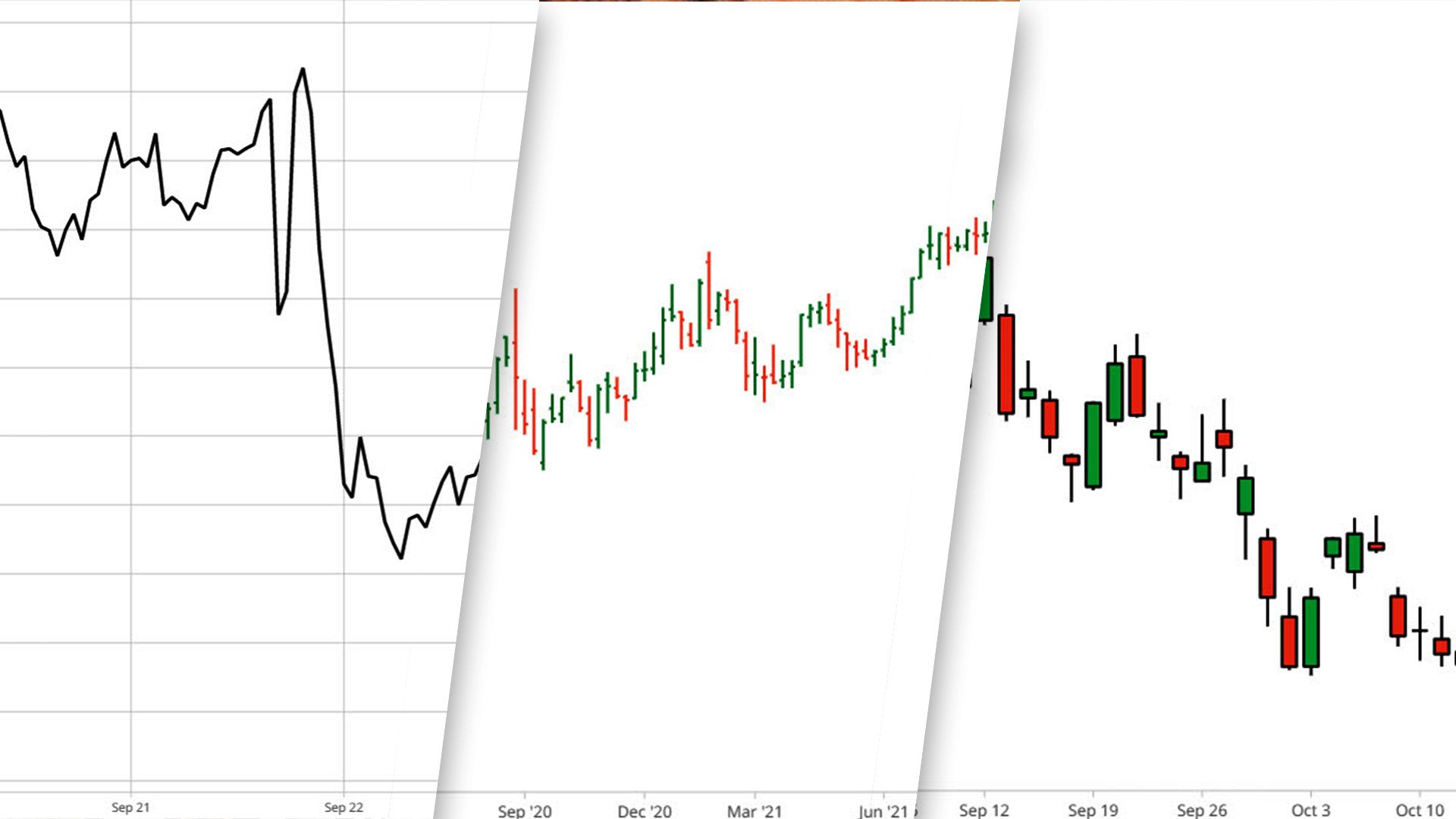
Alright, let's talk about the different ways this price and volume data gets displayed. There are three main types you'll encounter, and each gives you a little more information than the last.

1. Line Charts: The Simplest Story

This is the most basic. A line chart simply connects the closing prices of a stock over a period. It's clean, it's easy to see the overall trend, but it hides a lot of the action that happened during the day.
It's like reading the headline of a newspaper. You get the gist, but you miss all the juicy details. Good for a quick glance, not for deep analysis.

2. Bar Charts: Adding a Little More Detail

Bar charts step it up a notch. Each vertical bar represents a period (a day, an hour, etc.) and shows you four key pieces of information:
Open: The price when the period started.
High: The highest price reached during the period.
Low: The lowest price reached during the period.
Close: The price when the period ended.
The bar itself shows the range between the high and low. A small horizontal line on the left indicates the opening price, and a small horizontal line on the right indicates the closing price. This gives you a much better sense of volatility and price movement within that period.

3. Candlestick Charts: The Real Deal

Now we're talking. Candlestick charts are the go-to for most serious traders and investors. They pack all the information of a bar chart, but in a much more visual and intuitive way. Each "candlestick" tells a story about the price action during its period.
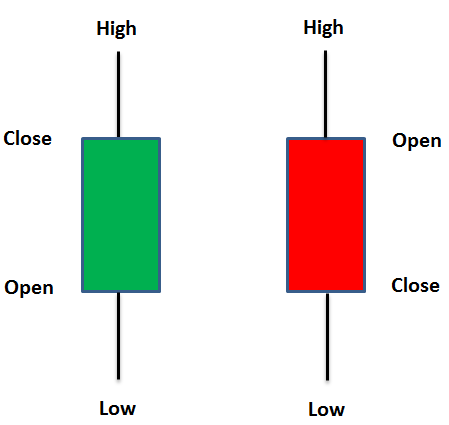
Here's the breakdown:
The Body: This is the thick part of the candle. It represents the range between the open and close prices.
If the body is green (or white/hollow), it means the closing price was higher than the opening price. Buyers were in control. This is a bullish candle.
If the body is red (or black/filled), it means the closing price was lower than the opening price. Sellers were in control. This is a bearish candle.
The Wicks (or Shadows): These are the thin lines extending from the top and bottom of the body. They represent the high and low prices reached during the period.
Candlesticks are powerful because their shape and color immediately tell you who won the battle between buyers and sellers during that specific timeframe. A long green body means strong buying pressure. A long red body means strong selling pressure. Short bodies with long wicks tell a different story, often indicating indecision or a reversal.
Comparison of Line, Bar, and Candlestick Charts
Image Source: Britannica Money
Anatomy of a Candlestick
Image Source: Candlestick Charts for Day Trading - How to Read Candles

Support and Resistance: The Invisible Walls of Price

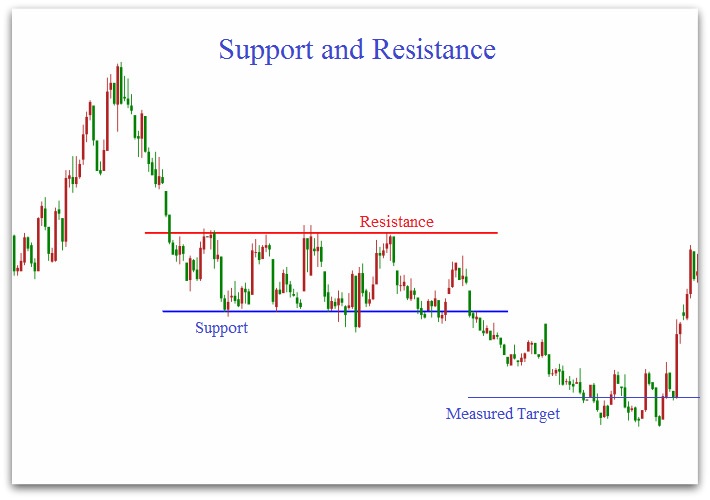
Think of support and resistance levels as invisible walls that stock prices tend to bounce off. They're not set in stone, but they're powerful psychological barriers that many traders watch.

Support: This is a price level where a stock tends to stop falling and often bounces back up. It's like a floor. When a stock hits support, buyers tend to step in, preventing further declines. It's where demand is strong enough to overcome supply.

Resistance: This is a price level where a stock tends to stop rising and often pulls back down. It's like a ceiling. When a stock hits resistance, sellers tend to step in, preventing further gains. It's where supply is strong enough to overcome demand.

Why do these levels exist? It's human psychology. People remember past price levels. If a stock struggled to break above $100 three times, many will expect it to struggle again. If it bounced off $80 multiple times, they'll expect it to find buyers there again.

Key takeaway: These levels aren't perfect, but they give you potential areas where a stock's direction might change. A break above resistance can signal a strong move up, and a break below support can signal a strong move down. Always watch for increased volume when these levels are tested – it confirms the conviction behind the move.

Support and Resistance Levels
Image Source: Stock Market Trading

Trendlines: Drawing the Path of Least Resistance

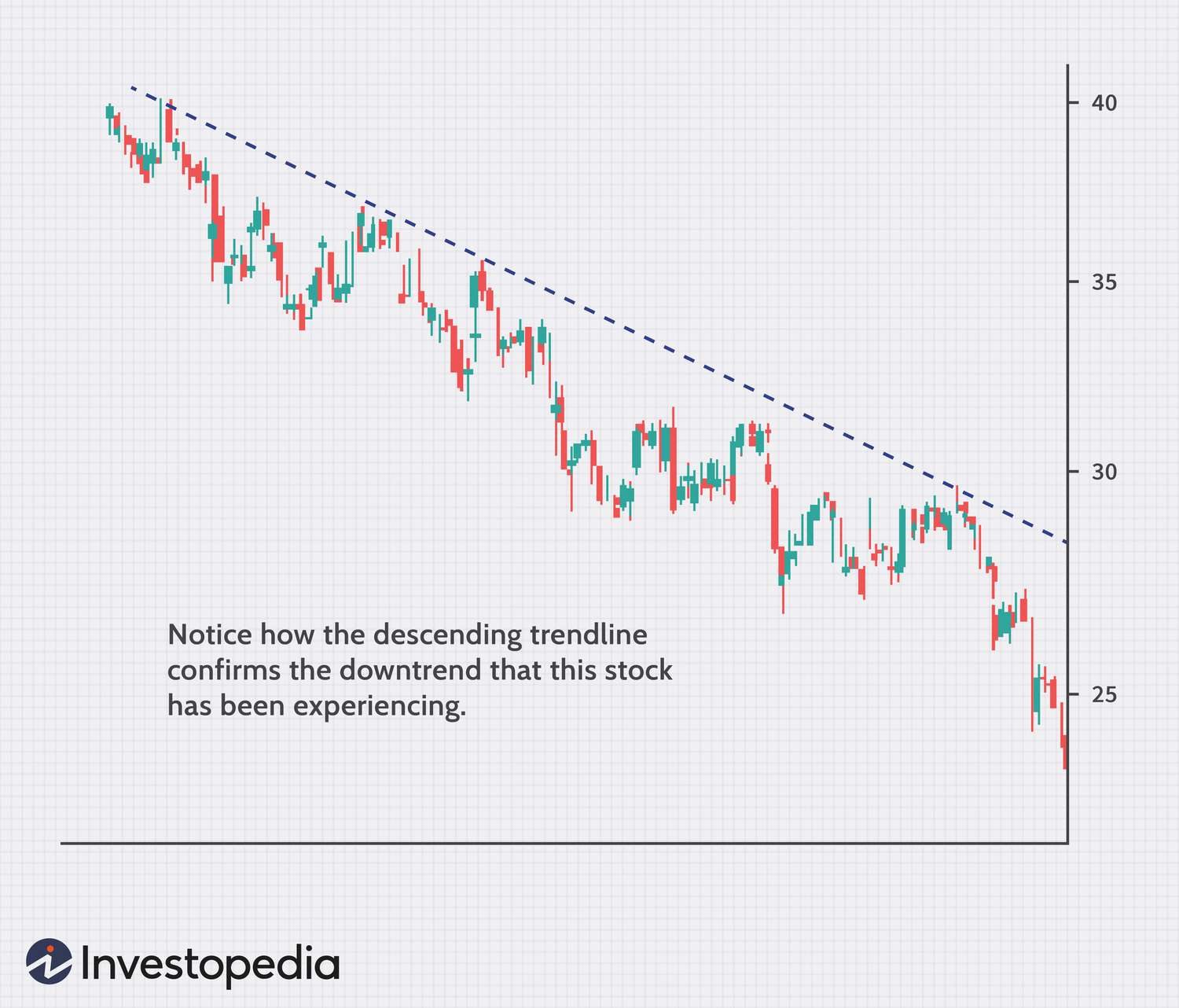
If support and resistance are horizontal walls, trendlines are the diagonal ones. They help you visualize the general direction, or "trend," a stock is moving in. Drawing them is more art than science, but they're incredibly useful.

Uptrend: When a stock is consistently making higher highs and higher lows, you can draw an uptrend line connecting at least two (preferably three or more) of those higher lows. This line acts as dynamic support.
Downtrend: Conversely, when a stock is consistently making lower highs and lower lows, you can draw a downtrend line connecting at least two (preferably three or more) of those lower highs. This line acts as dynamic resistance.

Trendlines help you stay on the right side of the market. You generally want to buy in uptrends and avoid or short in downtrends. A break of a trendline, especially with high volume, can signal a potential trend reversal. It's like a road sign telling you the highway is about to curve.
Uptrend and Downtrend Lines
Image Source: Investopedia

Volume: The Fuel Behind the Move

I mentioned volume earlier, but let's dig a little deeper. Price tells you what is happening, but volume tells you how much conviction is behind that move. It's the fuel.

High Volume with Price Movement: If a stock breaks above resistance on high volume, that's a strong signal. It means a lot of people are buying into that move. If it breaks down below support on high volume, that's strong selling pressure.
Low Volume with Price Movement: If a stock moves up or down on low volume, it's often a weaker move. It might not have much conviction behind it and could easily reverse. Think of it as a car sputtering along – it might be moving, but it's not going to go far.

Always look at volume in conjunction with price. It's a critical confirmation tool. A big price move without big volume is often a red flag.

Key Indicators (Without Getting Lost in the Weeds)

Now, charts can get cluttered with a million different indicators. Forget most of them. For beginners, focus on a few that give you a clear picture without overwhelming you. These are tools that help you interpret price and volume data in different ways.

1. Moving Averages (MA): Smoothing Out the Noise

Moving averages are lines on your chart that show the average price of a stock over a specific period. The most common are the 50-day and 200-day moving averages.
What they do: They smooth out price fluctuations, making it easier to see the underlying trend. If the price is above the moving average, it's generally bullish. If it's below, it's generally bearish.
Golden Cross/Death Cross: When a shorter-term MA (e.g., 50-day) crosses above a longer-term MA (e.g., 200-day), it's called a "golden cross" – often seen as a bullish signal. The opposite, a "death cross," is a bearish signal.
Think of it like looking at the average temperature over a month instead of every single daily fluctuation. It gives you a clearer sense of the climate.

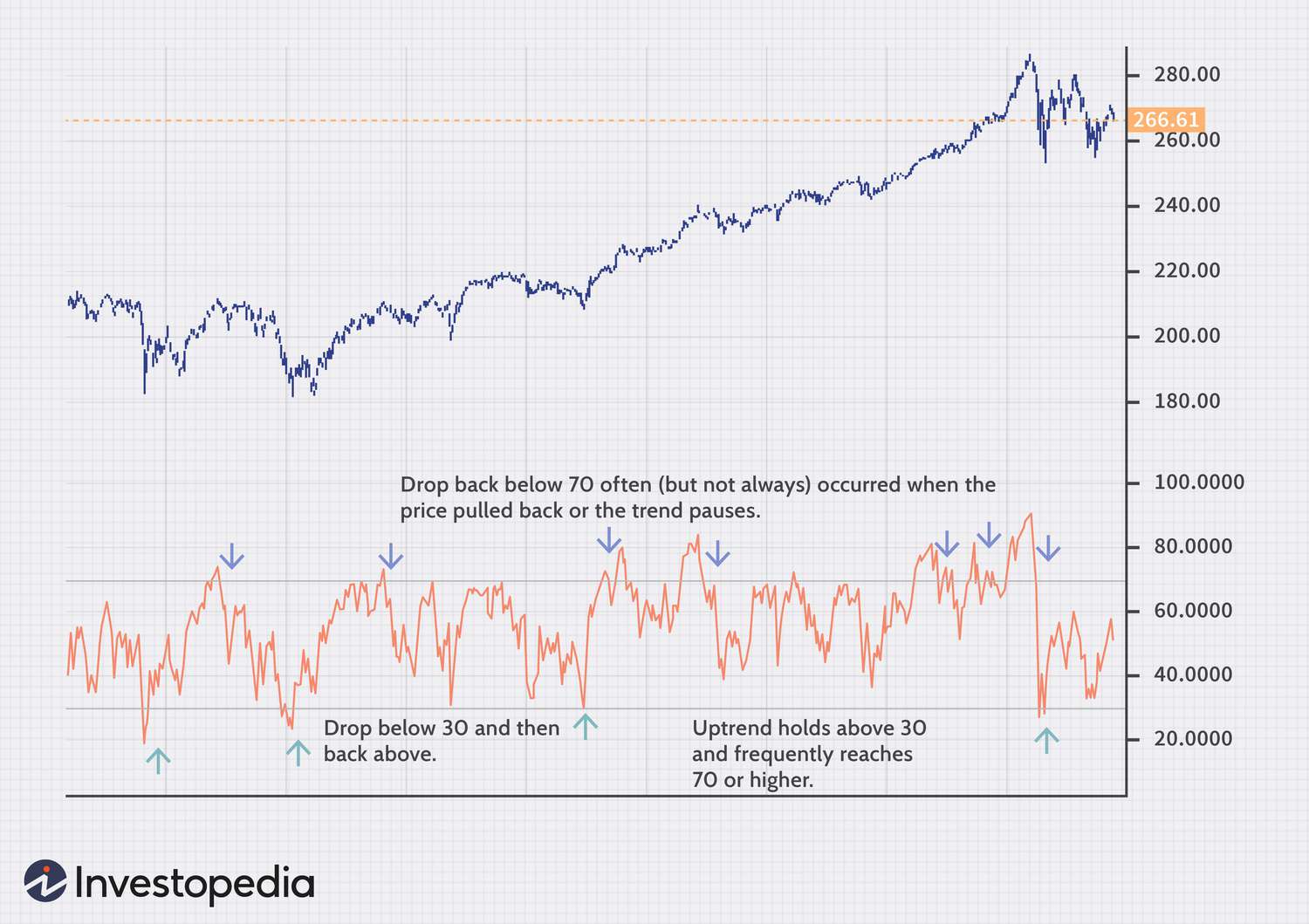
2. Relative Strength Index (RSI): Is the Stock Overbought or Oversold?

The RSI is a momentum oscillator that measures the speed and change of price movements. It ranges from 0 to 100.

Above 70: Generally considered overbought. The stock might be due for a pullback.
Below 30: Generally considered oversold. The stock might be due for a bounce.

Important: A stock can stay overbought in a strong uptrend or oversold in a strong downtrend for a while. Don't just blindly buy or sell because of RSI. Use it as one piece of the puzzle, especially when looking for potential reversals near support or resistance.

3. Moving Average Convergence Divergence (MACD): Trend and Momentum in One

The MACD is another momentum indicator that shows the relationship between two moving averages of a stock's price. It consists of two lines (the MACD line and the signal line) and a histogram.

MACD Line: The difference between two exponential moving averages (usually 12-period and 26-period).
Signal Line: A 9-period exponential moving average of the MACD line.
Histogram: Shows the difference between the MACD line and the signal line.
How to use it:
Crossovers: When the MACD line crosses above the signal line, it's often a bullish signal. When it crosses below, it's bearish.
Divergence: If the price is making higher highs, but the MACD is making lower highs, that's bearish divergence – a warning sign that momentum is weakening.
It's a powerful indicator, but like all of them, it's best used in conjunction with other tools and price action.
RSI and MACD Indicators
Image Source: IG International

Putting It All Together: Your First Steps to Reading Charts

Alright, you've got the basics. Now, how do you actually start using this without getting overwhelmed? Here's my advice, no BS:

1.Start Simple: Don't try to master everything at once. Pick one chart type (candlesticks), and one or two indicators (maybe moving averages and RSI). Focus on understanding those deeply before adding more.

2.Practice, Practice, Practice: Open up a charting platform (many brokers offer free ones, or use sites like TradingView). Look at charts of companies you know. Scroll back in time. See if you can identify support, resistance, and trends. Look at how the stock reacted to RSI being overbought or oversold.

3.Don't Overcomplicate It: The best traders often use the simplest strategies. Don't fall into the trap of adding a dozen indicators and trying to find a perfect system. Simplicity often wins.

4.Understand the Context: A chart is just one piece of the puzzle. Always consider the news, the company's fundamentals, and the overall market conditions. A perfect chart setup can be ruined by bad news.

5.Risk Management is King: No matter how good you get at reading charts, you'll have losing trades. It's part of the game. Focus on managing your risk so that one bad trade doesn't wipe you out. That's a whole other conversation, but it's crucial.

I remember when I first started looking at charts. It felt like trying to read a foreign language. But with consistent effort, it slowly started to make sense. It's not about being right every time; it's about stacking the odds in your favor.

So, there you have it. A no-nonsense guide on how to read stock charts to give you an edge. Now go out there, open some charts, and start learning. The market's waiting)

Best Debit Card for Spending Stablecoins Without Conversion Fees

You've got USDC sitting in your wallet. You want to spend it like cash. But you're scared a hidden 2-3% fee eats your money ever...