Alright, let's talk straight. You're probably here because you've heard the buzz about the stock market, maybe seen a friend making some moves, and now you're thinking, "How do I get a piece of that?"
Or maybe you're already in, but your current setup feels clunky, slow, or just plain confusing. You're looking for the best app for trading, something that cuts through the noise and helps you actually make money, not just watch charts all day.
Look, I get it. The world of investing can feel like a jungle, full of jargon and complicated platforms. But it doesn't have to be.
This isn't financial advice, by the way. Just me sharing what I've learned and what's out there.
We're going to break down the top contenders for the best app for trading in 2026. We'll look at what makes them tick, who they're for, and how they can help you on your journey to financial freedom.
No fluff, no fancy talk. Just the real deal.
What's the Deal with Trading Apps Anyway? Your Mobile Investing Powerhouse
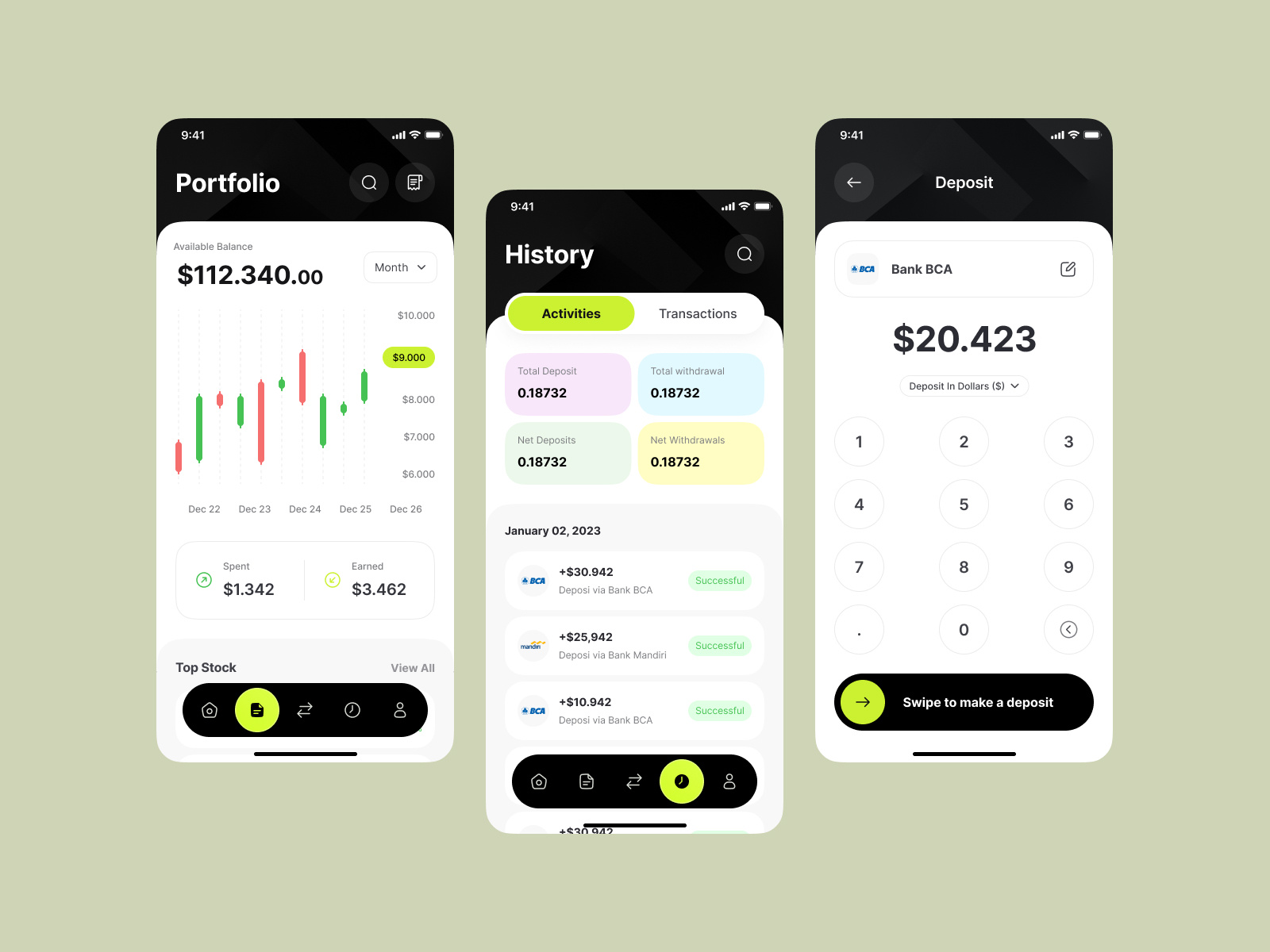
Think about it. Your phone is basically an extension of your hand, right?
So why shouldn't your investing be just as accessible? Trading apps have revolutionized how we interact with the markets.
They've taken what used to be a complex, desk-bound activity and put it right in your pocket. This means you can check your portfolio, make trades, and stay on top of market movements from anywhere.
Whether you're waiting for coffee or chilling on the couch, your financial future is literally at your fingertips.
But with so many options, how do you pick the right one? That's the million-dollar question.
Let's dive into the apps that are actually delivering value.
The Contenders: Who's Got the Best App for Trading in 2026?
I've dug through the noise, checked out the reviews, and here's the rundown on the apps that are making waves this year. These aren't just pretty interfaces; they're powerful tools designed to help you win.
Fidelity: The All-Rounder That Grows With You
If you're looking for a platform that's robust enough for a seasoned pro but still holds your hand as a beginner, Fidelity is a serious contender for the best app for trading.
They consistently rank high for a reason. Their educational resources are top-notch, making it easy to learn the ropes without feeling overwhelmed.
•Pros: Exceptional educational support, wide range of investment options, $0 commissions on stocks and ETFs, excellent customer service.
•Cons: No paper trading (virtual practice) platform, which can be a bummer for absolute beginners.
•Best For: Investors who want a comprehensive platform that can support them from their first trade to advanced strategies.
Charles Schwab: Practice Makes Perfect (and Profitable)
Ever wish you could practice trading without risking your actual cash? Charles Schwab gets it.
Their paper trading platform is a game-changer for beginners. It lets you simulate trades, test strategies, and build confidence before you put real money on the line.
•Pros: Fantastic paper trading platform, broad selection of investments, strong customer service, $0 online equity trades.
•Cons: The platform can feel a bit intimidating initially due to its extensive features.
•Best For: New investors who want to practice and learn in a risk-free environment before diving into live trading.
E*TRADE: Education is Your Edge
Knowledge is power, especially in the markets. E*TRADE understands this better than most.
They offer an incredible suite of educational materials, from webinars and videos to daily webcasts. It's like having a personal trading coach in your pocket.
•Pros: Extensive educational resources, including daily market webcasts and Bloomberg TV integration, advanced trading tools.
•Cons: Can be a bit overwhelming for true beginners due to the sheer volume of features.
•Best For: Investors who prioritize learning and want access to a wealth of market insights and educational content.
Robinhood: Simple, Approachable, and Fun
Let's be real, some traditional platforms feel like they're stuck in the '90s. Robinhood changed the game by making investing feel modern and accessible.
If you're tired of clunky interfaces and just want to buy and sell with ease, this might be your go-to. It's often cited as the best app for trading for its user-friendly design.
•Pros: Incredibly user-friendly interface, commission-free trading on stocks, ETFs, and options, very accessible for beginners.
•Cons: Educational resources are thinner compared to other brokers, which might leave some new investors wanting more depth.
•Best For: Beginners looking for a seamless, intuitive, and low-cost entry into the stock market.
SoFi Active Investing: Your Financial Advisor on Demand
Most brokers charge an arm and a leg for financial advice. SoFi flips the script.
They offer access to financial advisors, which is a huge perk for new investors trying to navigate their financial journey. It's like having a guide for your wealth-building adventure.
•Pros: Access to financial advisors (one free meeting for all members, unlimited for SoFi+), $0 commissions, integrated banking services.
•Cons: No paper trading option, which means less practice before real money is involved.
•Best For: Investors who value personalized financial guidance and want an all-in-one platform for banking and investing.
M1 Finance: Automate Your Investing Strategy
If you're into long-term investing and want to automate your portfolio, M1 Finance is a beast.
Theircustom portfolio feature allows you to build a diversified portfolio and then automatically invest in it. It’s like having a robot do your investing for you, but you’re still in control.
•Pros: Automated investing, custom portfolios, fractional shares, $0 commissions.
•Cons: Higher account minimum ($100) compared to others, less suitable for active day trading.
•Best For: Long-term investors who want to automate their portfolio management and prefer a hands-off approach after initial setup.
Wealthfront: Robo-Advisor for the Win
Not everyone wants to pick individual stocks. Sometimes, you just want someone (or something) smart to manage your money for you. That’s where Wealthfront shines.
It’s a top-tier robo-advisor that builds and manages a diversified portfolio based on your risk tolerance. Plus, you can still trade individual stocks if you feel like it. It’s the best of both worlds.
•Pros: Excellent robo-advisory services, tax-loss harvesting, diversified portfolios, ability to trade individual stocks.
•Cons: Primarily focused on automated investing, less emphasis on active trading tools.
•Best For: Investors who prefer a managed portfolio and want a smart, automated approach to wealth building.
Quick Comparison: Best App for Trading at a Glance
To make things easy, here’s a quick look at how these top trading apps stack up. Remember, the best app for trading for you depends on your personal goals and trading style.
App Name | Best For | Key Features | Fees (Stocks/ETFs) | Account Minimum | Educational Resources | Paper Trading | Financial Advisor Access |
Fidelity | Comprehensive growth | Robust platform, extensive research, diverse investment options | $0 | $0 | Excellent | No | Limited |
Charles Schwab | Practice & learning | Paper trading, wide investment selection, strong customer support | $0 | $0 | Good | Yes | Limited |
E*TRADE | Education & advanced tools | In-depth educational content, daily webcasts, advanced trading platforms | $0 | $0 | Excellent | Yes | Limited |
Robinhood | Simple, accessible entry | User-friendly interface, commission-free trading, fractional shares | $0 | $0 | Basic | No | No |
SoFi Active | Personalized guidance | Financial advisor access, integrated banking, $0 commissions | $0 | $0 | Good | No | Yes |
M1 Finance | Automated long-term investing | Custom portfolios, automated rebalancing, fractional shares | $0 | $100 | Moderate | No | No |
Wealthfront | Automated wealth building | Robo-advisor, tax-loss harvesting, diversified portfolios | N/A (management fees) | $500 | Good | No | No |
RELATED: How to start day trading with $100
Beyond the App: What Really Matters for Your Trading Journey

Having the best app for trading is just one piece of the puzzle. It’s like having a Ferrari but not knowing how to drive. You need to understand the game.
Here’s what I mean:
•Your Mindset is Everything: Trading isn’t about getting rich quick. It’s about discipline, patience, and continuous learning. You’ll have wins, you’ll have losses. Don’t let emotions drive your decisions.
•Do Your Homework: Don’t just blindly follow tips. Research the companies you’re investing in. Understand their business, their market, and their potential.
•Start Small, Learn Big: You don’t need to dump your life savings into the market on day one. Start with an amount you’re comfortable losing. The goal is to learn, not to become a millionaire overnight.
•Diversify, Diversify, Diversify: Don’t put all your eggs in one basket. Spread your investments across different assets and industries. This reduces your risk and increases your chances of long-term success.
•Automate Your Savings: Make investing a habit. Set up automatic transfers from your checking account to your investment account. Out of sight, out of mind, and your money will be working for you.
Real Talk: Stories from the Trenches
I remember this one time, early in my journey. I was convinced this one stock was going to the moon. Everyone was talking about it. The hype was real.
I threw a good chunk of change at it, ignoring all the red flags. What happened? It tanked. Hard. I lost a significant amount, and it stung.
But that loss taught me more than any win ever could. It taught me the importance of independent research, of not getting caught up in the hype, and of sticking to my own strategy.
Another time, a friend of mine was obsessed with day trading. He was glued to his phone, making dozens of trades a day, chasing every little fluctuation.
He made some quick wins, felt like a genius. Then, one bad day, he lost it all. He burned out, got frustrated, and quit. He didn’t have a plan, just a gambling addiction.
These aren’t isolated incidents. These are real stories, real lessons. The market will humble you if you let it. But it will also reward you handsomely if you approach it with respect and a solid strategy.
Frequently Asked Questions (FAQs) About the Best App for Trading
Got questions? Good. That means you’re thinking. Here are some common ones I hear all the time:
Q: Is the best app for trading always free?
A: Not necessarily. Many apps offer commission-free trading for stocks and ETFs, but they might have other fees, like for options trading, mutual funds, or account maintenance. Always read the fine print.
Q: How much money do I need to start trading?
A: You can start with as little as $0 with some apps like Fidelity or Robinhood. However, to make any meaningful impact, it’s wise to start with at least a few hundred dollars, or whatever you’re comfortable with.
Q: Can I really get rich quick with these apps?
A: Let’s be clear:no. The idea of getting rich quick is a myth, especially in trading. Sustainable wealth building takes time, patience, and a solid strategy. Anyone promising instant riches is probably selling something.
Q: What’s the difference between trading and investing?
A: Generally, investing is a long-term strategy, holding assets for years to grow wealth. Trading is more short-term, aiming to profit from price fluctuations over days, weeks, or months. Both have their place, but beginners often benefit more from a long-term investing approach.
Q: How do I choose the best app for trading for me?
A: Consider your goals. Are you a beginner looking to learn? Do you want to automate your investments? Are you interested in active trading? Look at the features, fees, educational resources, and customer support. Don’t just pick the flashiest one.
The Bottom Line: Your Journey to Financial Freedom Starts Now
Choosing the best app for trading is a personal decision. It’s about finding a tool that aligns with your goals, your risk tolerance, and your learning style.
Don’t get paralyzed by analysis. Pick one, start small, and learn as you go. The most important thing is to start. Every journey to financial freedom begins with that first step.
Remember, the market isn’t going anywhere. But your opportunity to build wealth is right here, right now. So, find your best app for trading, get educated, and start building that future you want.
It’s time to make your money work for you. The best app for trading is waiting.


No comments:
Post a Comment