Ever wondered how to budget on low income without feeling like you're drowning?
The truth is, many people feel this way. You're not alone in this. It's easy to feel trapped when money is tight, but I promise you, there's a way out. It's not magic; it's strategy.
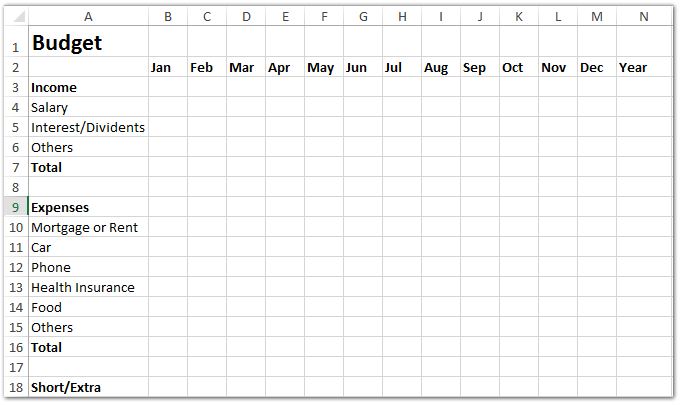
The Hard Truth: More Month Than Money
If the phrase "more month than money" sounds familiar, then I know exactly what you're going through. Whether you're stuck in a low-paying job or battling inflation, I know how hard it can be to make progress toward your goals—let alone make ends meet—on a lower income. Forget thriving. Maybe you're just trying to survive.
And this is where a budget comes in. It's not a straitjacket; it's your map.
When money is tight, there's no room for guessing. Every dollar has to count. It might not feel like a budget will make much difference—especially on a low income—but it really does.
Here's why:
| Without a Budget | With a Zero-Based Budget |
| Money disappears quickly. | Every dollar has a job. |
| Bills feel unpredictable. | Expenses are planned ahead. |
| You rely on credit cards. | You avoid debt and overspending. |
| Money causes constant stress. | Having a plan gives you clarity and peace. |
| You make no progress toward goals. | Small wins add up over time. |
| Surprise expenses wreck everything. | You're prepared and in control. |
This is how you move from just surviving to actually making progress. So, let's break down how to make that happen. I'm going to show you three simple steps to budget on a low income, plus some practical tips to help you save more money and make your paycheck go further.
Related: 10 Personal Finance Tips that Work
Your Roadmap to Budgeting on Low Income: Step-by-Step
Even if you have a low income, you still can (and should) make a plan for your money. It's all about working with what you have. And a budget helps you do just that by telling your money where to go each month.
But how exactly do you create a budget when you don't make a ton of money? The same as everyone else: one step at a time.
Before I get into the nitty-gritty, go ahead and have your bank account pulled up for easy access (you'll need it in a minute). Also, grab a pencil and paper to write out your budget—or you can use a budgeting app like EveryDollar, which makes it super easy to plug in and adjust your numbers in real time. Okay, ready? Let's jump in!
Step 1: List Your Income
Every budget starts with your income, no matter how much you make. Because you can't know how much you're able to spend for the month if you don't know how much is coming in, right?
Start by listing out all your sources of income. This includes salaries, part-time work, side hustles, stipends, child support, disability, social security—basically any way you get paid each month. And if you work on commission or have an irregular income, just use your lowest monthly income as a place to start (you can always go up from there).
Step 2: List Your Expenses
Once you've got your total monthly income figured out, your next step is to plan for all your monthly expenses. (This is when you'll use your bank account to get a better idea of your spending.)
First, Take Care of Your Four Walls.
Before you can budget for the things you want, you've got to make sure the basics are taken care of. After setting aside money for giving and saving (depending on what Baby Step you're on), start by budgeting for what we call the Four Walls: food, utilities, shelter, and transportation.
Write down how much you need for your rent or mortgage, as well as an average for bills like electricity and water. What do you usually spend on food each month? What about gas? Don't sweat trying to get your budget percentages exactly right. Just give it your best estimate.
Then, Plan for Other Expenses.
After your Four Walls are covered, be sure to include costs for things like childcare, insurance, and debt payments in your budget, as well as other common expenses. How much do you spend on entertainment? How many Target runs do you usually make for household products each month? And you'll definitely need a miscellaneous category for those random expenses that pop up (because you know they will pop up).
For now, don't worry about what you think you should be spending in these categories. At this point, you're just trying to get an idea of what you typically spend each month (and we'll do some adjusting in a minute).
Step 3: Subtract Your Expenses from Your Income
Zero-based budgeting is hands down the best way to manage your money. When you subtract your expenses from your income, it should equal zero. (If you're using EveryDollar, it'll do the math for you.) For example, if you bring in $2,000 a month, your budget should assign all $2,000 to specific categories—like rent, groceries, gas, and savings—until you reach zero.
That might sound like you're spending all your money in one month, but it really just means every dollar you're making should have a job to do inside your budget—whether it's giving, saving, spending, or paying off debt.
Now, you might get a negative number instead of zero the first time you do this, especially if your income has gone down recently. If that happens, no shame. This is why you're doing a budget: to stop the overspending before it happens (and to avoid those overdraft fees).
If you want help getting started, try our Budget Calculator to see how your numbers can work.
Related: Debt Payoff Calculator
What Do You Do if Your Income Isn't Enough to Cover Expenses?
So, you did your zero-based budget, and you realize you don't have enough money to cover all your expenses for the month. First, take a deep breath. I know it can feel overwhelming when you're looking at the numbers. But we're about to do some adjusting to help fix that!
Here's the deal: You have to be more intentional about your spending and even make some sacrifices—especially if you've been relying on debt to fill in the gaps before now. But the good news is, there are plenty of ways you can balance out your budget to get back on track and spend with confidence.
Cut Out Extras.
First things first, go through your budget and see what costs you can cut out. Do you need all those streaming services? Do you really have to get your nails done every week? These things aren't bad, but if your budget says no, you have to say no as well.
Strategies to Reduce Expenses and Increase Income
When money is tight, every decision counts. Here are some proven tactics to stretch your budget and, if possible, bring more money home.
•Cook at Home: Eating out is a luxury. Prepare your meals at home. Plan your menus, make a grocery list, and stick to it. You'll see a brutal difference in your bank account.
•Smart Shopping: Opt for generic brands. Don't get swayed by marketing. Often, the quality is the same for a fraction of the price. Look for deals, use coupons, and buy in bulk when it makes sense.
•Transportation: If you can, walk, bike, or use public transport. If you have a car, look for ways to reduce gas consumption. Group your errands to make fewer trips.
•Insurance: Review your insurance policies (car, home, health). Compare prices with other companies. Sometimes, a change can save you hundreds of dollars a year.
•Free or Cheap Entertainment: Look for free or low-cost activities. Parks, libraries, community events. Fun doesn't have to be expensive.
•Sell Unused Items: You have things gathering dust that someone else might need. Sell them online or at a yard sale. Every dollar counts.
•Increase Your Income: This is key. If your expenses are minimal and you're still not making it, you need more money. Look for a side hustle, ask for a raise, or consider a career change. Don't settle for what you have if it's not enough.

Real Stories: You're Not Alone
I know a person who, with a low income, managed to get out of debt and build an emergency fund. Their secret: iron discipline and creativity. They started by selling items they no longer used, then offered their gardening services on weekends.
Every extra penny went straight to their goals. It wasn't easy, but the financial freedom they gained was worth every sacrifice.
Another example is a single mother who, to budget on low income, turned meal planning into an art. She cooked large quantities once a week, froze portions, and avoided fast food at all costs. She also found a clothing and toy exchange group for her children, saving a fortune. Small changes, big impact.
Staying on Track: Adjust and Persist
A budget isn't something you do once and forget. It's a living document. Life changes, your income can fluctuate, and your expenses will too. That's why it's crucial to review and adjust it regularly.
•Review Weekly: Dedicate 15-30 minutes each week to see where you stand. Did you overspend in one category? Do you have money left in another? Adjust for the rest of the month.
•Be Flexible: If you have an unexpected expense one month, don't beat yourself up. Adjust other categories to cover it. The key is not to abandon the budget entirely.
•Celebrate Small Wins: Every time you hit a savings goal or pay off a debt, celebrate it. This will keep you motivated.
The Right Mindset
Mindset is everything. If you believe you can't, you probably won't. But if you focus on solutions, on possibilities, then the path opens up. It's not about deprivation; it's about control. You're taking the reins of your money, not the other way around.
Conclusion: Your Financial Future Starts Today
Budgeting on low income is not an easy task, but it's absolutely possible. It requires commitment, discipline, and a growth mindset. Start today. Don't wait until you have more money to start managing it.
Learn to manage what little you have, and you'll be prepared to handle much more when it comes. Your financial freedom awaits.


No comments:
Post a Comment