Ever stare at your trading screen, heart pounding, wondering if this next move is going to make you rich or wipe you out?
Yeah, I've been there. We all have.
It's the brutal truth of trading: most people lose money. Not because they're dumb, but because they don't get Forex Risk Management Strategies.
They treat the market like a casino. They go all-in, hoping for a jackpot, and end up with nothing.
But here's the deal: you don't have to be one of them. You can learn to play smart.
This isn't about getting rich quick. It's about staying in the game long enough to actually get rich.
What is Forex Risk Management, Anyway? Your Financial Seatbelt.
Think of it like this: you wouldn't drive a race car without a seatbelt, right?
Forex risk management is your seatbelt in the high-speed world of currency trading.
It's a set of rules and practices designed to protect your trading capital from significant losses.
It's not about avoiding losses entirely – that's impossible. It's about making sure those losses are small, manageable, and don't take you out of the game.
Without it, you're just gambling. With it, you're building a sustainable business.
The Core Pillars of Bulletproof Forex Risk Management Strategies
Let's break down the non-negotiables. These are the strategies that separate the pros from the blow-ups.
1. Position Sizing: Don't Bet the Farm
This is probably the single most important concept.
How much of your capital are you willing to lose on any single trade?
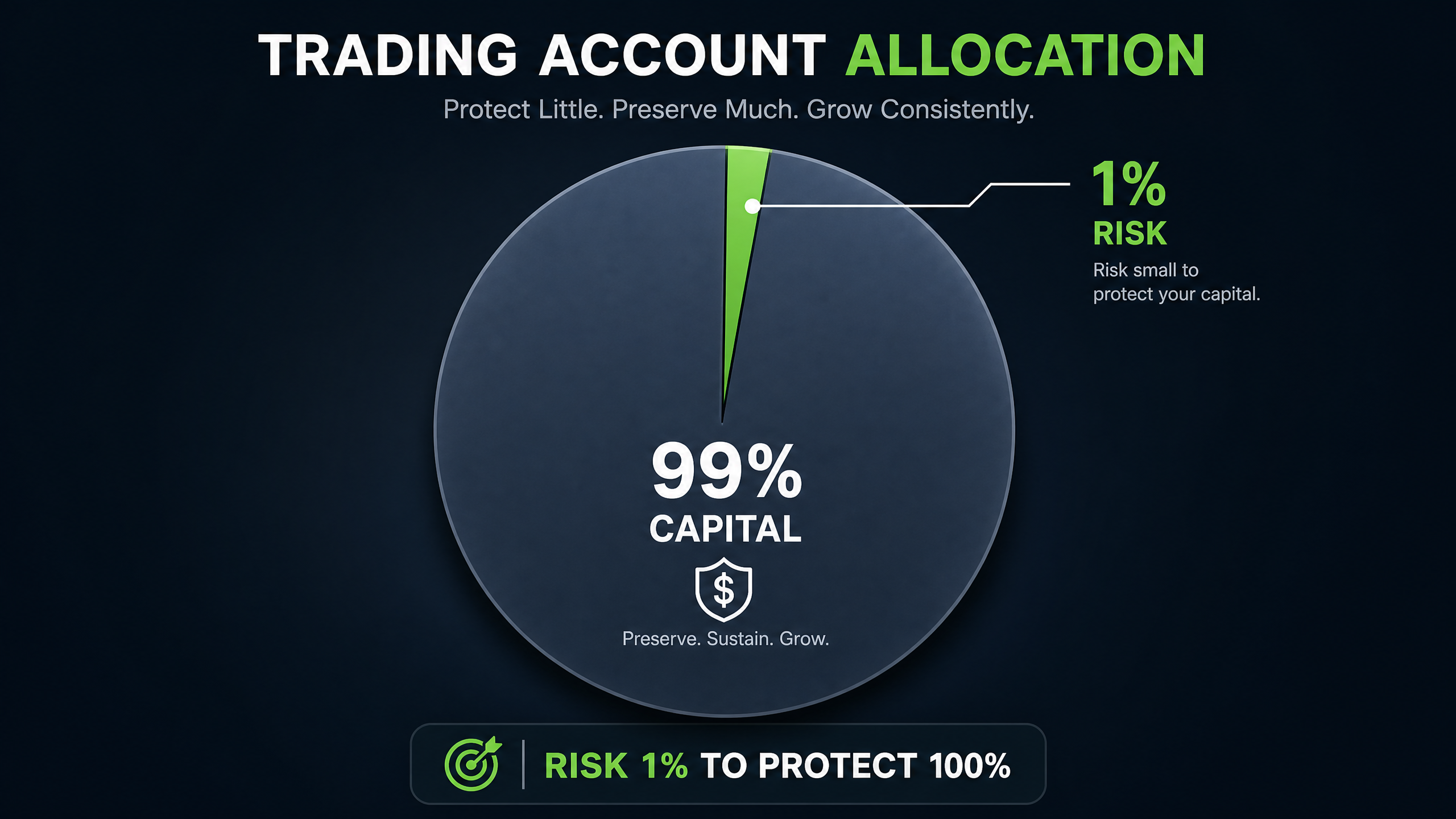
Most successful traders stick to the 1% Rule.
That means if you have a $10,000 trading account, you risk no more than $100 on any one trade.
One hundred bucks. That's it.
Why so little? Because even the best traders have losing streaks.
If you risk 10% per trade, five losing trades in a row (which happens) means you're down 50%.
To get back to even, you'd need to make a 100% gain. That's a brutal climb.
Risking 1% means you can have 10, 20, even 30 losing trades in a row and still be in the game.
2. Stop-Loss Orders: Your Automatic Eject Button
This is your ultimate protection.
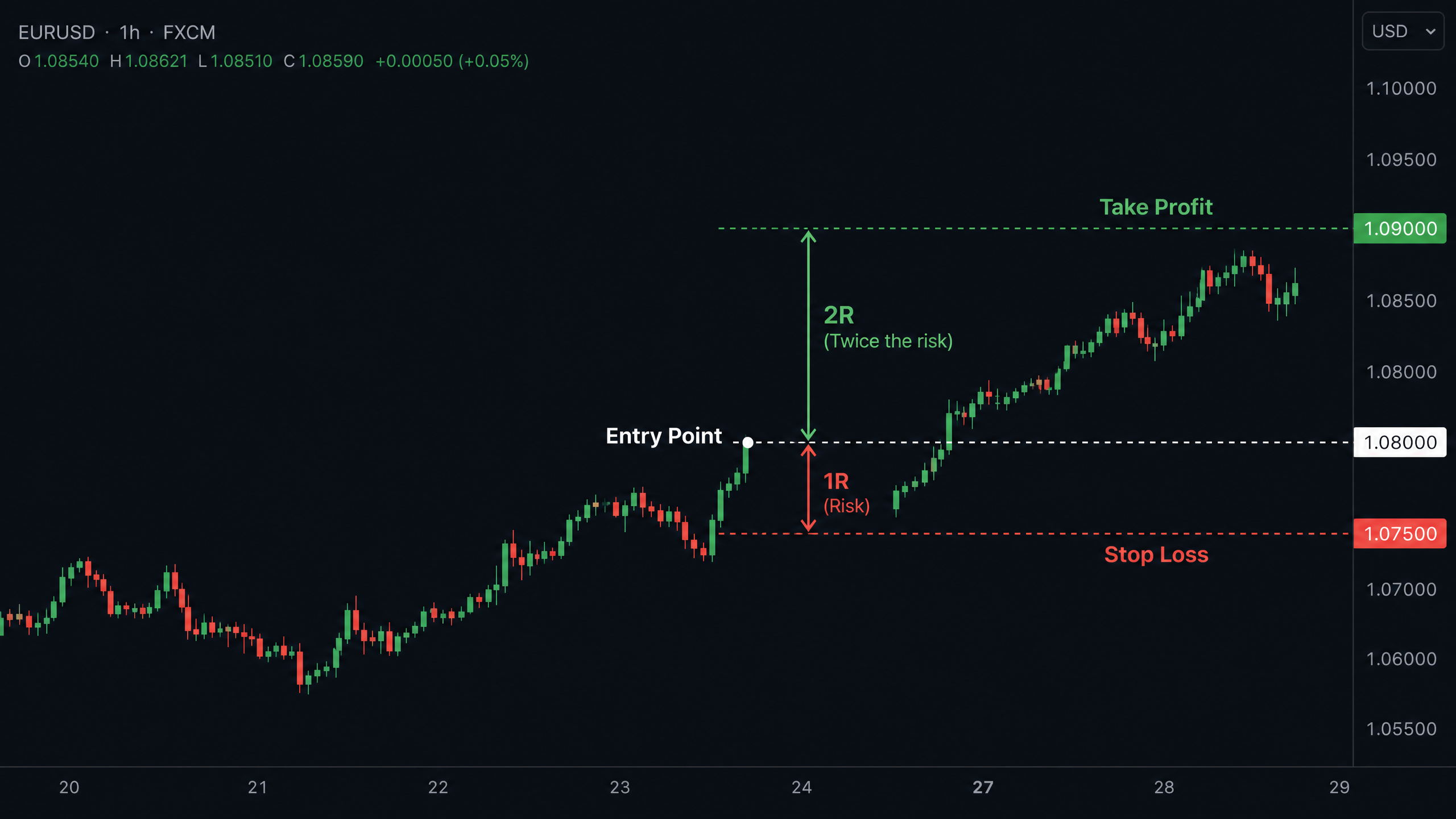
A stop-loss order is an instruction to your broker to close your trade automatically if the price moves against you to a certain level.
It limits your potential loss on a trade.
Set it before you enter the trade. Always.
Never move your stop-loss further away once the trade is active. That's a rookie mistake that costs fortunes.
Combine this with a Risk-Reward Ratio.
Aim for trades where your potential profit (reward) is at least twice your potential loss (risk).
So, if you're risking $100, you should be aiming for at least $200 in profit.
This means you don't have to be right all the time to be profitable. You can be right 40% of the time and still make money.
3. Take-Profit Orders: Lock in Those Gains
Just as important as limiting losses is securing profits.
A take-profit order automatically closes your trade when it reaches a predetermined profit level.
It prevents greed from taking over and turning a winning trade into a losing one.
Set it based on your analysis and your chosen risk-reward ratio.
Don't get emotional and hold on hoping formore. Take the money and run.
4. Leverage Management: A Double-Edged Sword
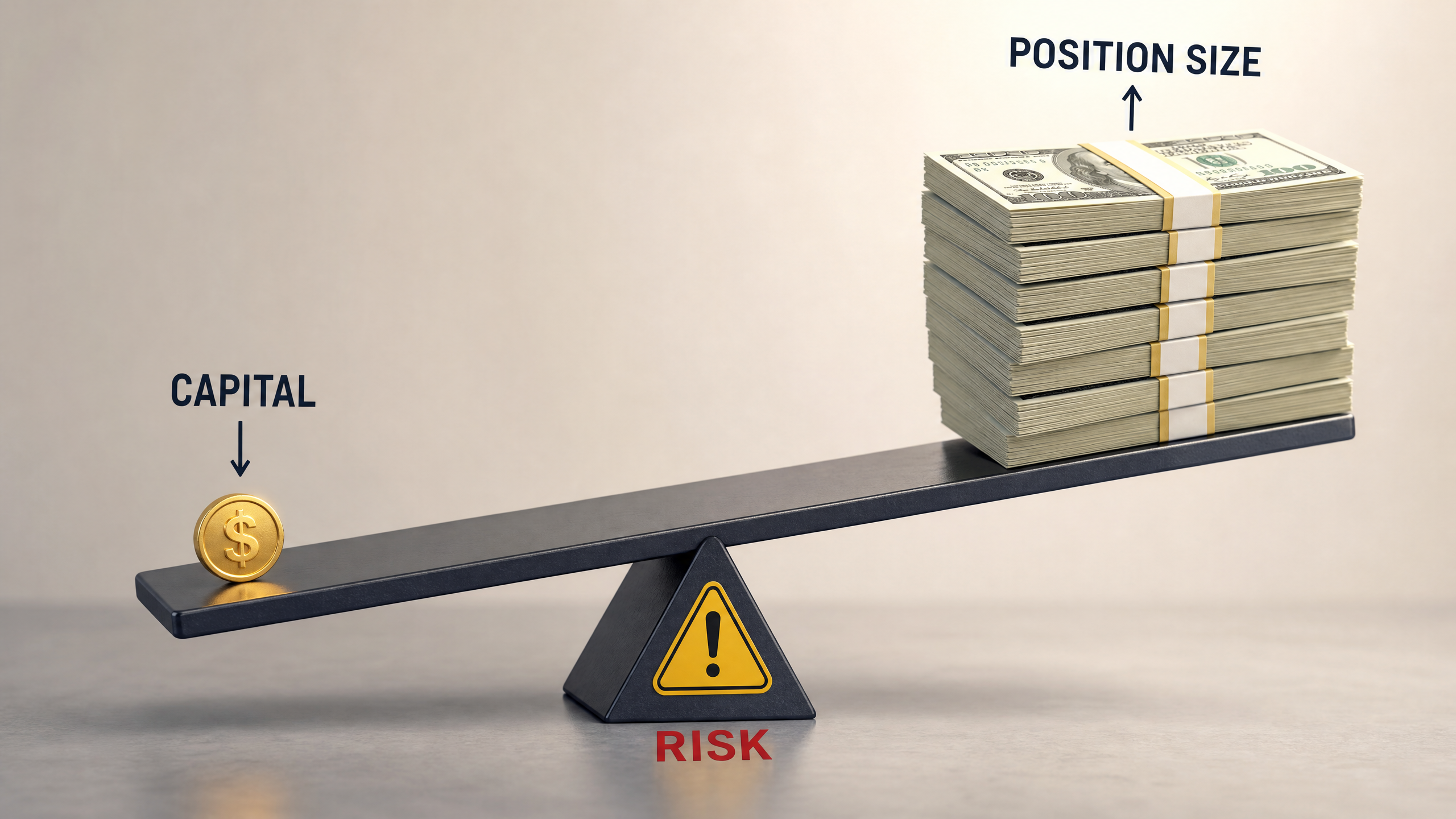
Leverage is powerful. It allows you to control a large position with a small amount of capital.
But it amplifies both gains and losses.
It's like borrowing money to trade. A little bit can be good; too much can ruin you.
Many brokers offer leverage of 1:500 or even higher. That means for every $1 you have, you can control $500.
Sounds great, right? Until the market moves against you by a tiny fraction, and your account is wiped out.
Keep your effective leverage low.
What does that mean? Don't use the maximum leverage offered. Use leverage responsibly, in conjunction with proper position sizing.
If you're risking 1% of your account, your effective leverage will naturally be lower.
It's about controlling your exposure, not maximizing your potential gain at all costs.
5. Diversification: Don't Put All Your Eggs in One Basket
While Forex trading often focuses on a few major currency pairs, it's still crucial to think about diversification.
Don't just trade one pair. Don't just trade correlated pairs.
If you're trading EUR/USD and GBP/USD, those often move in similar directions.
If one goes south, the other might follow, doubling your pain.
Spread your risk across different, uncorrelated assets or strategies.
This isn't just about currency pairs. It's about your overall trading approach.
Are you only day trading? Maybe look into some longer-term swing trades too.
Speaking of day trading, if you're looking for the best tools, check out this post on Best Day Trading Apps in 2026.
It's about creating a portfolio of trades that don't all react the same way to market events.
6. Emotional Discipline: The Unsung Hero of Risk Management
This is where most traders fail.
Fear and greed are powerful forces. They make you break your rules.
They make you hold onto losing trades too long, hoping they'll turn around.
They make you cut winning trades too short, afraid of losing what you've gained.
You need a trading plan, and you need to stick to it.
No exceptions. Your plan should cover:
•Entry criteria: When do you get in?
•Exit criteria: When do you get out (profit or loss)?
•Position sizing: How much do you risk?
•Risk-reward: What's your target?
Once you have a plan, execute it like a robot. Remove emotion from the equation.
This is easier said than done, but it's critical. Journal your trades. Review your decisions.
Learn from your mistakes, but don't let them paralyze you.
7. Continuous Learning and Adaptation
The market changes. What worked yesterday might not work tomorrow.
Stay updated. Keep learning.
Read. Watch. Analyze. Understand global economics, central bank policies, and market sentiment.
This isn't a static game. It's dynamic. Your strategies need to evolve.
Maybe you're interested in other investment avenues. Have you looked into 4 Penny Stocks That Pay Dividends? Diversification isn't just for Forex.
And to keep track of all your investments, a good Stock Portfolio Tracker is essential.
FAQs: Your Burning Questions About Forex Risk Management Strategies, Answered.
Q1: How much capital do I need to start Forex trading with proper risk management?
Honestly, you can start with a small amount, even a few hundred dollars, if you apply strict risk management.
The key is to risk only 1% of your account per trade. If you have $500, that's $5 per trade.
It won't make you rich overnight, but it will teach you discipline and keep you in the game.
Q2: Can I really avoid losses with good risk management?
No. Absolutely not. Losses are part of trading.
Good risk management doesn't eliminate losses; it controls them.
It ensures that when you lose, you lose small, and when you win, you win big enough to cover those small losses and then some.
Q3: Is risk management more important than a trading strategy?
Yes. A thousand times yes.
You can have the best trading strategy in the world, but if you don't manage your risk, one bad trade can wipe you out.
A mediocre strategy with excellent risk management will always outperform a brilliant strategy with poor risk management.
Q4: How often should I review my risk management plan?
Regularly. At least once a month, or after any significant change in your trading capital or market conditions.
It's a living document, not something you set and forget.
The Bottom Line: Master Your Risk, Master Your Trading
Look, trading Forex isn't easy. Anyone who tells you otherwise is selling something.
But it's not impossible to succeed. It requires discipline, patience, and a relentless focus on protecting your capital.
Forex Risk Management Strategies aren't just a suggestion; they're the foundation of any successful trading career.
Treat your trading account like a business, not a lottery ticket.
Protect your capital. Control your losses. Let your winners run.
That's how you build wealth in the long run.
Disclaimer: I am not a financial advisor. This content is for informational and educational purposes only and should not be considered financial advice. Trading involves substantial risk and is not suitable for all investors. Consult with a qualified financial professional before making any investment decisions.


No comments:
Post a Comment